Myers Counseling Group Home Page

Saturday, January 4, 2014

Hearing Loss and Depression

Hearing loss could affect many different people and age groups. It could be caused by hereditary factors, natural aging, injury to head, earwax build up, ear infections, or exposure to noise. As we age our sensory abilities diminish. Hearing loss is the third most common long-term health problem in older Americans and affects up to 40 out of 100 people age 65 and older, and up to 80 out of 100 people older than 85 (National Institute of Health). Hearing loss can cause sufferer’s to feel isolated, anxious, self conscious, lonely, and disconnected. If someone is experiencing hearing loss it could certainly make life less enjoyable.
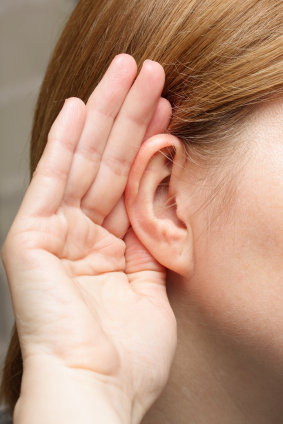
This problem is not just confined to older adults. Children as young as three weeks old could be diagnosed as having a hearing deficit. About 2 to 3 out of every 1,000 children in the United States are born deaf or hard-of-hearing and approximately 15 percent (26 million) of Americans between the ages of 20 and 69 have high frequency hearing loss due to exposure to loud sounds or noise at work or in leisure activities(National Institute on Deafness and Other Communication Disorders ). Hearing loss in children could affect grades, self confidence, and peer relations. Since children are not always able to articulate their problems, identifying the problem makes it more challenging. In a 2010 study published in the Journal of the American Medical Association, researchers found a 31 percent increase in teenage hearing loss. The study compared teens in 2005 and 2006 to teens tested from 1988 to 1994. According to the research, called the Third National Health and Nutrition Examination Survey, the results show that "one in five U.S. adolescents 12 to 19 years old demonstrated hearing loss." (Deafness research Foundation).

For older adults, certain settings for them may provide challenges. Rooms with particular
structures may make it more difficult to hear (acoustics). Background noise could also factor
into ability to hear others. Lastly, certain pitches in voices (usually higher ones) are hard to
decipher. The impact could be felt at work (business meetings), social, and family relations
(being able to communicate with children or grandkids).

There are preventive measures individuals can do in avoiding hearing loss. For some, it may not
be avoidable (hereditary factors and aging). Here are some suggestions:
Children should have periodic hearing exams (once every few years).
Avoid exposure to loud noises
Avoiding long exposure to music listening devices(IPods, MP3 players, I phones)
When exposed to settings with loud noise, wear ear wax, if possible.
Be conscious when buying items such as dishwashers, washers, and dryers. There is a
difference in products when it comes to amplitude.
If exposed to loud noises and it is unavoidable, try to limit time that you are exposed it.
If you experience hearing loss, let others know about it. Accommodations could be made
that would increase your ability to hear others. Time of day (visiting restaurant in non
busy time), locations (acoustics) and seating arrangements (face to face) could greatly
increase communications.
Talk with your doctor or audiologist. Hearing aids can make a tremendous difference in
hearing impaired lives. There are many advances in technology and hearing aids are less
intrusive and noticeable as they once were.

Hearing loss may open new challenges in life. For the elderly it may mean another loss they
experience. Discussing your concerns with others could develop the support you are looking for.
If you or someone else is experiencing hearing loss and having a hard time with it, consider
joining a support group or seeing a therapist. This could not only provide additional support, but
some coping strategies as well.Hearing loss could affect many different people and age groups. It could be caused by hereditary factors, natural aging, injury to head, earwax build up, ear infections, or exposure to noise. As we age our sensory abilities diminish. Hearing loss is the third most common long-term health problem in older Americans and affects up to 40 out of 100 people age 65 and older, and up to 80 out of 100 people older than 85 (National Institute of Health). Hearing loss can cause sufferer’s to feel isolated, anxious, self conscious, lonely, and disconnected. If someone is experiencing hearing loss it could certainly make life less enjoyable.

This problem is not just confined to older adults. Children as young as three weeks old could be diagnosed as having a hearing deficit. About 2 to 3 out of every 1,000 children in the United States are born deaf or hard-of-hearing and approximately 15 percent (26 million) of Americans between the ages of 20 and 69 have high frequency hearing loss due to exposure to loud sounds or noise at work or in leisure activities(National Institute on Deafness and Other Communication Disorders ). Hearing loss in children could affect grades, self confidence, and peer relations. Since children are not always able to articulate their problems, identifying the problem makes it more challenging. In a 2010 study published in the Journal of the American Medical Association, researchers found a 31 percent increase in teenage hearing loss. The study compared teens in 2005 and 2006 to teens tested from 1988 to 1994. According to the research, called the Third National Health and Nutrition Examination Survey, the results show that "one in five U.S. adolescents 12 to 19 years old demonstrated hearing loss." (Deafness research Foundation).

For older adults, certain settings for them may provide challenges. Rooms with particular
structures may make it more difficult to hear (acoustics). Background noise could also factor
into ability to hear others. Lastly, certain pitches in voices (usually higher ones) are hard to
decipher. The impact could be felt at work (business meetings), social, and family relations
(being able to communicate with children or grandkids).

There are preventive measures individuals can do in avoiding hearing loss. For some, it may not
be avoidable (hereditary factors and aging). Here are some suggestions:
Children should have periodic hearing exams (once every few years).
Avoid exposure to loud noises
Avoiding long exposure to music listening devices(IPods, MP3 players, I phones)
When exposed to settings with loud noise, wear ear wax, if possible.
Be conscious when buying items such as dishwashers, washers, and dryers. There is a
difference in products when it comes to amplitude.
If exposed to loud noises and it is unavoidable, try to limit time that you are exposed it.
If you experience hearing loss, let others know about it. Accommodations could be made
that would increase your ability to hear others. Time of day (visiting restaurant in non
busy time), locations (acoustics) and seating arrangements (face to face) could greatly
increase communications.
Talk with your doctor or audiologist. Hearing aids can make a tremendous difference in
hearing impaired lives. There are many advances in technology and hearing aids are less
intrusive and noticeable as they once were.

Hearing loss may open new challenges in life. For the elderly it may mean another loss they
experience. Discussing your concerns with others could develop the support you are looking for.
If you or someone else is experiencing hearing loss and having a hard time with it, consider
joining a support group or seeing a therapist. This could not only provide additional support, but
some coping strategies as well.Hearing loss could affect many different people and age groups. It could be caused by hereditary factors, natural aging, injury to head, earwax build up, ear infections, or exposure to noise. As we age our sensory abilities diminish. Hearing loss is the third most common long-term health problem in older Americans and affects up to 40 out of 100 people age 65 and older, and up to 80 out of 100 people older than 85 (National Institute of Health). Hearing loss can cause sufferer’s to feel isolated, anxious, self conscious, lonely, and disconnected. If someone is experiencing hearing loss it could certainly make life less enjoyable.

This problem is not just confined to older adults. Children as young as three weeks old could be diagnosed as having a hearing deficit. About 2 to 3 out of every 1,000 children in the United States are born deaf or hard-of-hearing and approximately 15 percent (26 million) of Americans between the ages of 20 and 69 have high frequency hearing loss due to exposure to loud sounds or noise at work or in leisure activities(National Institute on Deafness and Other Communication Disorders ). Hearing loss in children could affect grades, self confidence, and peer relations. Since children are not always able to articulate their problems, identifying the problem makes it more challenging. In a 2010 study published in the Journal of the American Medical Association, researchers found a 31 percent increase in teenage hearing loss. The study compared teens in 2005 and 2006 to teens tested from 1988 to 1994. According to the research, called the Third National Health and Nutrition Examination Survey, the results show that "one in five U.S. adolescents 12 to 19 years old demonstrated hearing loss." (Deafness research Foundation).

For older adults, certain settings for them may provide challenges. Rooms with particular
structures may make it more difficult to hear (acoustics). Background noise could also factor
into ability to hear others. Lastly, certain pitches in voices (usually higher ones) are hard to
decipher. The impact could be felt at work (business meetings), social, and family relations
(being able to communicate with children or grandkids).

There are preventive measures individuals can do in avoiding hearing loss. For some, it may not
be avoidable (hereditary factors and aging). Here are some suggestions:
Children should have periodic hearing exams (once every few years).
Avoid exposure to loud noises
Avoiding long exposure to music listening devices(IPods, MP3 players, I phones)
When exposed to settings with loud noise, wear ear wax, if possible.
Be conscious when buying items such as dishwashers, washers, and dryers. There is a
difference in products when it comes to amplitude.
If exposed to loud noises and it is unavoidable, try to limit time that you are exposed it.
If you experience hearing loss, let others know about it. Accommodations could be made
that would increase your ability to hear others. Time of day (visiting restaurant in non
busy time), locations (acoustics) and seating arrangements (face to face) could greatly
increase communications.
Talk with your doctor or audiologist. Hearing aids can make a tremendous difference in
hearing impaired lives. There are many advances in technology and hearing aids are less
intrusive and noticeable as they once were.

Hearing loss may open new challenges in life. For the elderly it may mean another loss they
experience. Discussing your concerns with others could develop the support you are looking for.
If you or someone else is experiencing hearing loss and having a hard time with it, consider
joining a support group or seeing a therapist. This could not only provide additional support, but
some coping strategies as well.

The Two Way Street: Medical Conditions and Mental Health

Studies have shown that a strong relationship between medical conditions/problems and
mental health exists. It is estimated that up to one-third of individuals with a serious medical
condition experience symptoms of depression. Chronic illness can trigger or exacerbate
depressive (feelings of helplessness or despair) or anxiety symptoms (concern about the
future), not to mention both the mental and physical stress of coping with a prolonged illness.

The limitations of the medical condition significantly alter a person’s life, which could create
huge and seemingly overwhelming situations. Self image, independence (or lack of), and social
interactions are obstacles that are put to limits. Lastly, emotional problems could slow down or
prevent full recovery from medical conditions.

The severity of a medical condition typically varies with each person and that person’s
subjective ability in addressing the challenges a chronic or prolonged illness can bring up.
Medical challenges are not limited to the aging population, as hearing loss, vision impairment,
endocrine disorders, gastric issues, surgery, as well as autoimmune diseases could happen to all
age groups. Any one of these could create feelings of loss (loss of mobility, social interaction,
resources, finances, and one’s own mortality). 

The rate for depression occurring with other medical illnesses is quite high:
Heart attack: 40%-65%
Coronary artery disease (without heart attack): 18%-20%
Parkinson’s disease: 40%
Multiple sclerosis: 40%
Stroke: 10%-27%
Cancer: 25%
Diabetes: 25%

Cleveland Clinic: Copyright 1995-2009, The Cleveland Clinic Foundation
The relationship between medical issues and mental health is a two-way street. Mental health
challenges like anxiety, depression, and substance abuse have a strong link to physical ailments.
Sleep and fatigue due to mental health problems affect and stress us, and if we are not given
enough time to replenish our body we become more susceptible to illness. When we are
experiencing symptoms of anxiety and panic attacks our body experience what is referred to as
flight or fight syndrome, which is just one clear example of the stress these mental health issues
have on our body. This would also make our body more prone to illness and breakdowns.
Another factor to consider in addressing medical conditions and mental health is medication.
Some medications have side effects that could amplify emotions such as anxiety or depression.
If a person has substance abuse problems, the risk of abusing prescriptions is greatly increased.
Energy level or lack thereof, creates less ability to socialize and increase feeling of isolation, and
medications can amplify these feelings as well. Also, some medications may have other side
effects such as a change in sexual desire, which could affect self confidence and relationship
issues.

It is important to understand that medical challenges could have a huge impact on a person’s
psyche. Identify emotional issues that may surface or are surfacing, and have a dialogue with
your support group to educate them on what you are currently feeling and what you may
experience later on. Try to develop regular sleep patterns and resist the urge to isolate. Your
doctor can educate you and your loved ones on medications and side effects. Inviting a loved
one or significant other in on such a discussion will only serve to educate them better on what
you are feeling and how best to cope with it. There are some exercise programs out there such
as water aerobics that may be possible for some with doctor approval. Monitoring your diet is
another way to stay both physically and mentally healthy. Lastly, seek out a therapist who has
experience working with individuals with medical conditions to get the best help for your
situation.

10 Anger Management Techniques


1.  Attempt to predict situations in which you get angry in.
2. Slowdown…. .. When you are angry your body is in heightened state (flight or fight).  Allowing this to build up makes it more difficult to stop anger episodes.  Picture yourself going downhill.  The further downhill you get, the more difficult it will be to stop.
3.  Challenge the thoughts that got Challenge the thoughts that got you to the state of anger.  Are they rational?  Can you look at same situation and come up with different conclusions.
4. Distract yourself… the longer you mull over the incident the more likely you are revisiting the situation that got you angry.
5.  Take deep, slow breaths.  This allows your body to step back from heightened state.
6.   Evaluate your sleep.  Poor sleep could contribute to anger problems.
7.  Involve yourself in a physical pursuit.  Martial arts, running, and weight lifting are just a few that may help direct your anger in a more constructive way.
8.  Start the day with a daily affirmation.  Starting on a positive thought could help with your commitment to going through the day managing your anger.
9.   Walk away.  Staying in anger situation could further exasperate your feelings.
10.Listen to music.  This could have a calming effect and take your mind off situation that is angering you. 

Sleep Better!

The need for sleep is a vital part of our ability to function.  We spend one third of our lives asleep.  Without the proper rest  we could experience problems in the following areas: difficulties in making decisions, lost productivity, concentration, underachievement, being more accident prone, depression, anxiety, sexual performance, and fatigue.  Our enjoyment of life is hampered if we are not able to get the proper rest we need. It is difficult to determine what impact sleep deprivation may have on your presenting problem.  Often times, it is difficult to know if it’s your problem that is causing sleep difficulties or the sleep difficulties causing problems.
About how many hours did you sleep last night? On the average, eight hours of good sleep is  recommended. This could vary from individual to individual. Some of us need more and some less. Our age is one factor in determining the amount of sleep we need. The older we get, the less sleep we may require.
Included are some tips on better sleep habits.  By using these suggestions, you may find yourself with more energy to address other concerns in your life.
Diet
1.  Cut down or eliminate alcohol consumption.
2. Avoid heavy meals before bedtime.  Also avoid acid producing foods such as spices, onions, and peppers.
3.  Cut down or eliminate caffeine . This would include chocolate, tea, and soda pops.
4. A glass of warm milk 15 minutes before going to bed will soothe your nervous system. Milk contains calcium, which aids in relaxation.
5. Try a cup of hot chamomile, catnip, anise or fennel tea. All contain natural ingredients which may help you sleep. Some blends of herb tea are designed to soothe you and help you get to sleep.
6.  A small, low protein, high carbohydrate bedtime snack, such as juice and cookies, eaten about an hour before bedtime, can help you fall asleep sooner.
7. Studies indicate that foods with large amounts of the amino acid L-tryptophan help us sleep better. These include warm or hot milk (but not cold milk), eggs, cottage cheese, chicken, turkey and cashews.
Environmental Factors
1.  Evaluate your sleep environment. Is there too much noise or light?  You may find it helpful to get some ear plugs or sound machines. There may be new noises introduced into your environment that could be making it more difficult to sleep.
2. Try to keep your room as dark as possible. Night time eye shades  could  be helpful. Also consider your alarm clock.  If it is a particularly luminous one, this can be extremely annoying if you're having a hard time getting to sleep.
3. Fresh air and a cool room temperature  will provide best sleeping conditions. Adjust the temperature inside the bed --with more or fewer blankets.
4. Listen to Music. Music should be soft and soothing. There are cassettes and records designed for that very purpose. Other sounds to try to lull you to sleep could be sounds of waves, wind, or other relaxing sounds.
5. A firm bed will give your entire body the support it needs to really relax. It's better for your spine, too. Sleep on your back. This allows for better passage of air and facilitates easier breathing.  
Sleep Friendly Behaviors
1.  Try to keep your sleep and wake times consistent, even on weekends. If you have had a difficult  time sleeping one night, don’t try to catch up with it by sleeping twice as much.  Your body likes regular routines, even if you don’t.
2.  Avoid day time naps.  This will only further throw off your sleep cycle.
3.  Keep a sleep log.  Look for patterns. If you are having success on one night, find out what you did differently and try to repeat it.
4.  Spend your normal sleep time (i.e. 6,7,8, hours) in bed.  If you are used to sleeping eight  hours a night, spending twelve hours to get that amount of sleep will only frustrate you.
5.  Decrease your activities as you approach your desired sleep time.  The more active you are the  more time it will take to settle down to sleep. Individuals with jobs that require a lot of thinking throughout the day, have far more trouble sleeping than individuals who work in more physical settings.  For these individuals, wind down time is especially important.
6. Regular exercise is helpful. Exercise allows for better oxygen and blood flow which helps you relax more and sleep better. Too much exercise or doing it too close to bedtime would be counterproductive.
7. A warm bath is a great way to relax your body. You could also use ingredients to add to the bath...bath salts, Epsom salts,   baking soda, or bath oils. These will relax you and also help remove toxins from your body.
9. Massages could also aid in the transition to sleep. Have your spouse (or whoever) give you a massage just before going to sleep. Items such as foot or back massagers could be bought from most stores.
If your sleep difficulties persist, let your therapist know. You and your therapist may want to explore this with a more focused approach.

Up in Smoke: The Medical Marijuana Debate

Containing over 400 chemicals, the cannabis plant is the source of marijuana, which has been labeled a Schedule 1 controlled substance since 1970. Once treated and dried, marijuana can be smoked (or even eaten!) to induce an altered mood, caused primarily by THC (delta 9 tetrhydrocannabinol). The terms "medical cannabis" and "medical marijuana" refer to the use of the chemicals in the cannabis plant and marijuana (such as THC) as a physician-recommended from of medicine or herbal therapy.
The potency of marijuana has increased over the years, with a 4% increase of THC presence in the drug from 20 years ago. Often taken as a recreational drug, marijuana has some adverse effects: short term memory loss, increased heart rate, weakening of the immune system, raised risk of lung infections, increased risk of lung cancer, decrease in perception and reaction time response (which is especially dangerous when driving), exacerbation of current mental health problems (or the creation of new ones), breathing problems, and addictive qualities (1).
The administration of medical marijuana is most frequently done through vaporizing or smoking dried buds, eating or drinking extracts, and taking capsules. Smoking has fielded the fewest positive outcomes (2).
Medicinal marijuana is a much-debated topic in the medical field, with no clear-cut agreement. Some research indicates that it could be effective for the relief of nausea and vomiting, stimulation of hunger in chemotherapy and AIDS patients, gastrointestinal illness, and lowered intralobular eye pressure (which has been effective for treating glaucoma).
Both pro and con sides of the medical marijuana debate present compelling arguments. It is important to remember that if the legalization of medicinal marijuana does occur, it should have no bearing on the legality of recreational use (which is a fear of many opponents of medical marijuana). As recently as May of 2011, the Illinois House of Representatives failed to pass medical marijuana legislation that came up for a vote. In fact, many legal medical drugs on the market are not only illegal, but also dangerous to use recreationally. Furthermore, there is a wide variety of marijuana with different potencies and additives (over 400 other chemicals), and street marijuana for medical use carries a greater risk than marijuana cultivated specifically for medicinal treatment.
Before an informed decision can be made, it would only be wise to undertake further research. Doctors have no guidelines or standards on when to use, how to administer, and the possible side effects of medicinal marijuana. With more research comes more knowledge, and with more knowledge comes the basis to train doctors to use medical marijuana effectively, and how to draw a distinct line between medical applications of marijuana and recreational use.
1. National Institute on Drug Abuse. Marijuana: Facts for Teens (http://www.drugabuse.gov/MarijBroch/MarijIntro.html). NIH Pub. No. 98-4037. Bethesda, MD. NIDA, NIH, DHHS. Revised March 2008. Retrieved June 2009.
2. Wikipedia

What are the most effective treatments for OCD?

Obsessive Compulsive Disorder(OCD), like many mental health afflictions, has different degrees of severity. Some individuals afflicted with this disorder, are able to maintain normal levels of functioning. This would include being successful at work, have few conflicts at home due to the disorder, and enjoy a good standing in the community. Few, if any people may suspect that person having OCD. Other individuals, due to the disorder, may not be able to leave their homes or function in any structured environment.
The severity of the disorder will dictate course of treatment. Medication, in most cases, would be the starting point. Since this is a very complex disorder, it is recommended you seek out a psychiatrist for medication management as opposed to a Primary care Physician. This is a diagnosis that falls under a speciality and should be addressed by someone who specializes in this.
Talk therapy is also recommended. During therapy, the patient is encouraged to desensitize themselves to the ritual or thought that is creating the challenge. The continued exposure to the stimuli eventually will eventually lessen the urge to continue with the thought or ritual. Stress management, relaxation techniques, and challenging thoughts and beliefs that contribute to the disorder should be utilized in talk therapy. Cognitive Behavioral Therapy has been found to be effective with this disorder, in addressing faulty thoughts and beliefs that accompany this disorder.

Why do men go through midlife crises?

Throughout our life cycle, both men and women experience specific developmental challenges relative to their age. These challenges start as early as the first few months of life(mastering motor skills) to the end of life(acceptance of diminishing capabilities). Depending on your religion or theoretical orientation, these stages could be broken into anywhere from 4 to 7 stages.
Regardless of your orientation or religion, certain stages in life present different challenges. Midlife, chronologically, could be anywhere from 40 years of age to 60. During this time, a person may be reflecting on life goals, achievements, disappointment, uncertainty about future coarse of life, and status in life. For some, this contemplation could lead to confusion, uncertainty, anger, or regret. Just as any stage in our development, these thoughts to- feelings experiences could turn negative and destructive.
The reason this developmental stage is given more attention is the level of impact this crisis can have on others. Symptoms of struggles at this age have more impact on family and careers than other stages. There may be more historical references about men having these type of crises but as woman have taken on roles that were once reserved for men, we are seeing similar impact on families these struggles have taken. More attention may be given to a father who makes drastic changes in his life than an adolescent who is rebelling(a common response to a teenagers developmental challenge at that period). Woman may go through their own midlife challenges and present the conflict differently or the impact may be seen differently. It does not mean they are sailing through this period of life carefree.
The causes could be from external events(getting fired from job) to internal reaction to a situation(having a good friend have a heart attack). It is important to understand that some struggles at different stages in life are normal. What we could define it as "crisis" is relative to the situation and how this conflict plays out. Having a support group to use as a reference point or sounding board are often helpful. Talking concerns out with a trained therapist could also help, especially if decisions are being made that have significant implications.